Source Diesel Mobile Lubricant Workshop Truck for Maintenance
Compare 30 diesel mobile lubricant workshop truck listings from Hubei, China. Buyers can review specifications like horsepower, load capacity, and emission standards to find suitable units for fleet maintenance, roadside repair, and industrial service applications; compare the available evidence and request quotations based on your requirements.
Key considerations
Products List


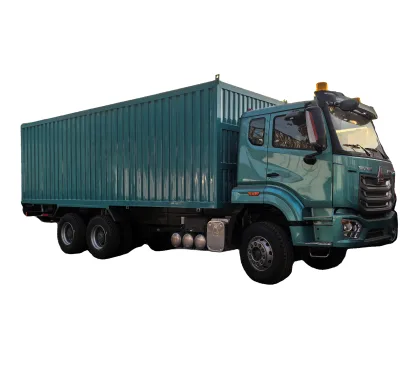
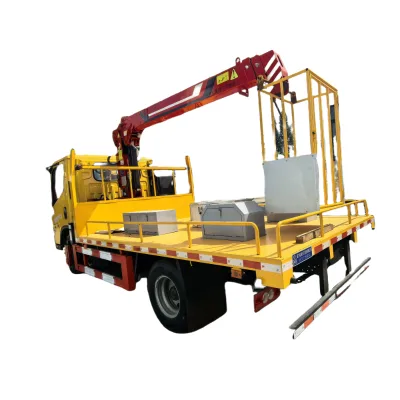
off Road Utility Outdoor Service Truck /Mobile Workshop Maintenance Truck
$28500.00 - $45000.00
Moq: 1


4X2 Small Cheapest China 6 Wheel New Mobile Workshop Repairing Truck Sale
$30000.00 - $50000.00
Moq: 1





Comprehensive Sourcing Guide
Diesel Mobile Lubricant Workshop Truck Sourcing Guide
Procuring a diesel mobile lubricant workshop truck requires identifying units designed for on-site maintenance of heavy machinery in remote or industrial locations. The observed market data indicates a diverse range of chassis options, including Isuzu, HOWO, JAC, Shacman, Dongfeng, and Jmc, which allows buyers to select a base vehicle that matches their specific operational terrain and payload needs. These units are typically configured as new equipment with manual or automatic transmissions, ensuring reliability in demanding service environments where downtime must be minimized.
Buyers must carefully evaluate the internal configuration of these mobile workshops, as the supplied facts reveal variations in tank capacities and storage solutions. Some listings specify substantial fuel and oil storage, such as 5,000 liters for diesel and 1,000 liters for engine oil, alongside grease drums, which dictates the operational range between refueling stops. Understanding these specific volume constraints is critical for planning logistics, as the vehicle's ability to carry necessary lubricants directly impacts its utility in extended field operations without requiring frequent resupply.
Product Scope and Observed Listing Signals
The product scope for diesel mobile lubricant workshop trucks spans various load capacities, ranging from light-duty 1-10 ton models to heavy-duty 21-30 ton configurations. This variance suggests that the market offers solutions tailored to different fleet sizes and maintenance intensities, from small construction crews to large-scale mining operations. The observed horsepower ratings further segment these vehicles, with options available between 150-250 hp and 251-350 hp, allowing procurement teams to match engine power to the expected workload and road conditions.
Listing signals also highlight significant differences in physical dimensions and packaging methods, which influence shipping costs and on-site deployment. Dimensions observed in the data range from compact 6000x2000x2800mm units to larger 9000x2500x3560mm configurations, necessitating a clear assessment of site access and parking requirements before purchase. Packaging options vary from bulk cargo and RORO to standard export packages or naked packing, meaning buyers must verify how the vehicle will be secured during transit to prevent damage to sensitive workshop equipment and storage tanks.
Technical Specifications to Verify
Verification of the engine and transmission systems is paramount, as the data shows a mix of diesel engines with capacities under 4 liters, between 4-6 liters, and horsepower ratings that vary significantly. Buyers should confirm the specific engine capacity and horsepower to ensure the vehicle can handle the weight of the workshop equipment and the required travel speed for the intended route. The presence of both manual and automatic transmission types offers flexibility, but the choice should align with the driver's skill set and the complexity of the terrain where the truck will operate.
The structural and storage specifications require precise validation to ensure the mobile workshop meets operational demands. Key attributes to verify include the tire design, which is listed as radial or tubeless, and the certification standards such as ISO, ECE, GCC, and DOT, which affect road legality and safety. Additionally, the emission standards, ranging from Euro 2 to Euro 5/6, must be checked against local environmental regulations, while the overall dimensions and chassis type must be confirmed to ensure the vehicle fits within the designated service area and can accommodate the necessary lubricant storage tanks.
Compliance and Safety Documentation
Compliance with international and local safety standards is a non-negotiable aspect of sourcing these specialized vehicles. The observed certifications, including ISO, CCC, and CE, indicate that some manufacturers adhere to rigorous quality and safety protocols, but buyers must request specific documentation for each unit to confirm its status. It is essential to verify that the vehicle's emission standards, such as Euro 5 or Euro 6, align with the regulatory requirements of the destination country to avoid legal penalties or import restrictions.
Safety documentation must also cover the integrity of the fuel and oil storage systems, which are critical components of a mobile lubricant workshop. Buyers should demand proof of tank construction standards and leak prevention measures, especially given the large capacities observed, such as 15,000 to 30,000 liters in some configurations. Ensuring that the vehicle meets all relevant safety certifications for hazardous material transport is vital for protecting personnel and the environment, and this verification should be a prerequisite before finalizing any purchase agreement.
Cost Drivers and Commercial Terms
The cost of a diesel mobile lubricant workshop truck is heavily influenced by the chassis brand, engine specifications, and the complexity of the onboard workshop equipment. The observed price range of 11,110 to 80,000 USD reflects these variables, with higher costs associated with larger load capacities, more powerful engines, and advanced emission compliance. Buyers should analyze the total cost of ownership, considering that a vehicle with a 251-350 hp engine and 21-30 ton capacity will likely command a premium over smaller, less powerful models.
Commercial terms regarding packaging and shipping are also significant cost drivers that require careful negotiation. The data indicates diverse packing methods, from bulk cargo to RORO and container shipping, each with different implications for freight charges and insurance. Additionally, the customization availability noted in the listings suggests that buyers may incur extra costs for tailored configurations, such as specific tank volumes or cabin types like Forland. Understanding these variables is essential for budgeting and ensuring that the final contract includes all necessary logistical and customization expenses.
Supplier Qualification and Quality Control
Supplier qualification should focus on manufacturers with a proven track record in producing mobile workshop trucks, particularly those originating from established industrial hubs like Hubei, China. The presence of specific model numbers, such as MT5223 and MT5040XLCQ5, indicates that suppliers have standardized production lines, but buyers must verify the quality control processes for each batch. It is crucial to confirm that the supplier adheres to the stated certifications, such as ISOCCC and CE, and that they provide comprehensive documentation for the vehicle's construction and testing.
Quality control measures must extend to the inspection of critical components like the engine, transmission, and storage tanks before shipment. Buyers should request detailed inspection reports that verify the condition of the vehicle, ensuring it meets the "New" status claim and that all specifications, including tire design and drive wheel configuration, match the order. Given the specialized nature of these trucks, a pre-shipment inspection by a third-party agency is recommended to validate the functionality of the workshop equipment and the integrity of the fuel and oil systems.
Long-Term Procurement Checks
Long-term procurement success depends on establishing a reliable supply chain for spare parts and maintenance support for the mobile workshop truck. Buyers should verify the availability of replacement parts for the specific chassis and engine models, such as Isuzu or HOWO, to minimize downtime during repairs. The customization options available in the market suggest that suppliers may offer tailored support packages, but these must be clearly defined in the contract to ensure ongoing operational readiness.
Regular performance audits and maintenance scheduling are essential to maintain the vehicle's efficiency and safety over its lifespan. Buyers should implement a system to track the condition of the fuel tanks, tires, and engine components, ensuring that they are serviced according to the manufacturer's recommendations. Additionally, staying informed about updates to emission standards and safety regulations is crucial, as these changes may require retrofitting or upgrades to keep the mobile workshop truck compliant and operational in the long term.
FAQs
What is the typical load capacity for these trucks?
The load capacity typically ranges from 1 to 30 tons depending on the specific model configuration. Some units are designed for lighter duties with capacities under 10 tons, while heavy-duty variants support loads between 21 and 30 tons. Buyers should verify the exact tonnage rating against their operational requirements before procurement.
Which engine horsepower options are available?
Available horsepower options span from under 150 hp up to 350 hp. Specific models offer power outputs between 150 and 250 hp, while others provide 251 to 350 hp for heavier applications. This range allows buyers to select the appropriate power level based on their specific workload and terrain conditions.
Can the trucks be customized for specific needs?
Yes, customization is available for these diesel mobile lubricant workshop trucks. Buyers can request modifications to meet specific operational standards or logistical requirements. The manufacturer supports tailored solutions to ensure the vehicle aligns precisely with the intended use case and regulatory environment of the destination market.
What emission standards do these vehicles meet?
These vehicles comply with Euro emission standards, including Euro 2, Euro 3, and Euro 5/6 options. The specific standard depends on the model and target market regulations. Buyers should confirm the exact emission class required for their region to ensure full legal compliance and environmental adherence.
How are these trucks packaged for shipping?
Packaging methods include bulk cargo, RoRo, container shipping, naked waxed, standard export packages, and nude packing. The specific method depends on the model and logistical preferences. Buyers should coordinate with suppliers to determine the most cost-effective and secure shipping arrangement for their destination port.
What tire designs are used on these trucks?
Tire designs include radial and tubeless configurations. Some models feature tires with ISO, ECE, GCC, or DOT certifications. The specific tire type is selected based on the vehicle's load capacity and intended operating conditions to ensure optimal performance and safety during transport and service operations.